













How to Hang Art on Glass, Brick or Venetian Plaster
How to Hang Art on Glass, Brick, or Venetian Plaster Without Damaging the Wall
Hanging artwork is relatively simple when you have an ordinary drywall surface. But what happens when the wall is made of glass, exposed brick, stone, tile or delicate Venetian plaster?
Drilling directly into these surfaces can be difficult, risky or undesirable. Glass cannot be drilled after installation without specialized preparation. Brick and stone can crack or leave permanent holes. Venetian plaster is a decorative finish that can be extremely difficult and expensive to repair.
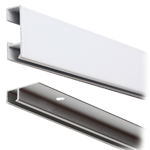
A ceiling-mounted picture hanging system provides a safer and more flexible solution. Instead of attaching each picture directly to the wall, artwork is suspended from a discreet rail installed at the ceiling.
Hang Art Without Drilling Into the Finished Wall
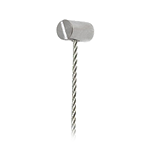
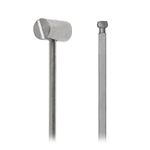
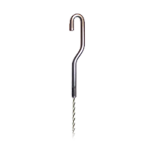
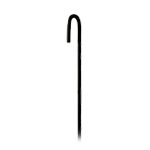
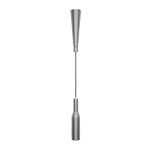
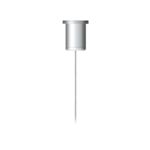
Systematic Art picture hanging systems allow artwork to be suspended using transparent cords, stainless-steel cables or rigid picture rods.
The rail supports the artwork from above, allowing pictures to be positioned in front of the wall without placing screws, nails or anchors into the finished surface.
Once the rail is installed, artwork can be moved, replaced or rearranged without creating new holes.
This makes ceiling-mounted systems particularly useful for:
- Glass walls and windows
- Exposed brick
- Stone and masonry
- Venetian plaster
- Marble and tile
- Concrete walls
- Historic or protected surfaces
- High-end architectural finishes
Hanging Artwork in Front of Glass
Glass walls create beautiful, open interiors, but they provide almost no practical surface for conventional picture hooks.
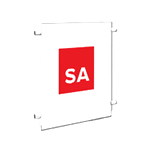
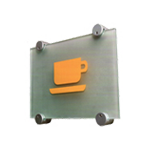
A ceiling-mounted rail allows artwork, signs, acrylic panels and promotional displays to hang in front of the glass without attaching hardware to it.
Transparent cords create a light, almost floating appearance. Stainless-steel cables offer a more architectural look, while rigid rods can provide additional stability for valuable or heavier artwork.
This approach works especially well in:
- Corporate offices
- Retail windows
- Real estate agencies
- Museums and galleries
- Restaurants and hotels
- Showrooms
- Building lobbies
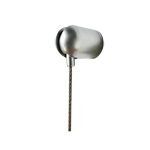
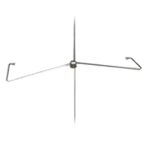
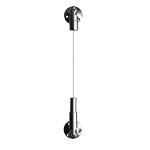
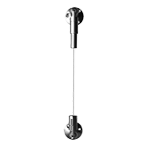
For displays that require precise alignment, a tensioned cable system can secure the cables at both the top and bottom. This helps keep acrylic pockets, signs and display panels straight and stable.
Hanging Art on Exposed Brick or Stone
Brick and stone walls have character, but drilling into them can be messy and permanent. Anchors may also need to be placed in the mortar rather than the material itself, limiting where artwork can be positioned.
A ceiling-mounted picture rail eliminates the need to select a new drilling location every time the artwork changes.
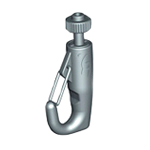
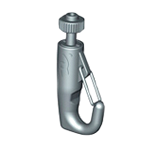
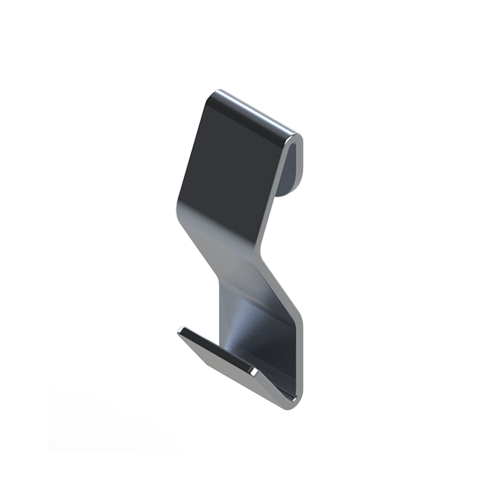
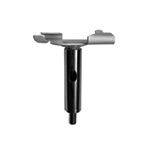
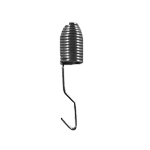
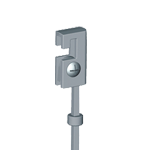
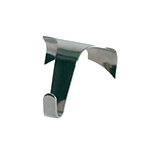
The rail is installed once. Cables or rods can then be moved horizontally along the rail, while adjustable picture hooks allow the height of each artwork to be changed.
This is especially valuable in galleries, restaurants, hotels and residences where the display may change regularly.
Protecting Venetian Plaster and Decorative Finishes
Venetian plaster, polished plaster and other specialty wall finishes require considerable skill to install and repair. Even a small screw hole can damage the finish and leave a visible patch.
Suspending artwork from the ceiling protects the decorative surface while preserving the clean appearance of the room.
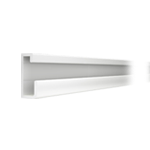
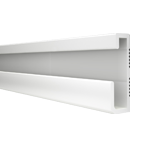
Systematic Art’s Sky Picture Rail offers an elegant solution for these installations. The rail creates a discreet suspension point above the finished wall, allowing art to hang naturally in front of it.
The artwork can be repositioned without disturbing the plaster or requiring additional construction work.
Choosing Cables, Cords or Picture Rods
The appropriate suspension method depends on the artwork, the desired appearance and the amount of stability required.
Transparent cords
Transparent cords provide a minimal appearance and work well when the hanging hardware should remain as inconspicuous as possible.
Stainless-steel cables
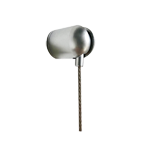
Stainless-steel cables create a clean, contemporary look and are ideal for architectural interiors, commercial displays and suspended signage.
Picture rods
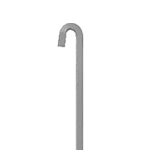
Rigid rods provide greater stability and a traditional gallery appearance. They can be especially useful for heavier artwork, valuable collections or installations where movement must be minimized.
Tensioned cable displays
Tensioned systems secure cables between two mounting points. They are ideal for acrylic pockets, directories, signage, window displays and panels that must remain precisely aligned.
Why Use a System Instead of Individual Wall Hooks?
Traditional hooks solve the immediate problem of hanging one picture. A picture hanging system creates permanent display infrastructure for the entire space.
The benefits include:
- No repeated drilling into finished walls
- Fast artwork changes
- Adjustable horizontal and vertical positioning
- Cleaner alignment
- Options for light and heavy artwork
- Compatibility with signs, panels and acrylic displays
- A professional gallery-style appearance
- Reduced wall repair and repainting
A properly selected system can also adapt as the space changes. Artwork can be added, removed or rearranged without redesigning the installation.
Create a Gallery on Almost Any Wall
Glass, brick, stone and Venetian plaster should not prevent you from displaying artwork.
With a Systematic Art ceiling-mounted picture rail, cable system or tension-display solution, artwork can be suspended securely while protecting the architectural surface behind it.
Whether you are designing a residence, gallery, office, hotel, retail environment or museum, Systematic Art can help determine the correct rail, cable, rod and hook combination for your project.
Every wall can become a gallery, even when you cannot drill into it.
Contact Systematic Art for assistance designing a picture hanging or suspended display system for glass, brick, stone, Venetian plaster or other specialty surfaces.