












Tips for Avoiding Damages to Your Ceiling When Hanging Artwork
Hanging and displaying art has come a long way. Whether we are talking about organizing a display in a gallery, hanging art in your place of work, or decorating your home, there is a way to avoid punching holes in your walls. A wide variety of picture hanging systems at your disposal will ensure the protection of your wallpaper and wall plaster. Even more importantly, it will be more esthetically pleasing.
Better yet, nowadays, you do not even have to use walls to hang art at all. There are many different options you can use to hang your favorite art from the ceiling. Furthermore, many people are serious art collectors. If that is your case, the chances are that you probably own some artwork that was never meant to be mounted to a wall, to begin with. Why not look into the newest ways of mounting art using your ceiling? To do this, follow our tips for avoiding damages to your ceiling when hanging artwork. We’ll help you take care of both your art and space in the best way.
Ways of hanging artwork
The easiest way of avoiding damages to your ceiling when hanging artwork is using the appropriate equipment. As mentioned, there is a variety of different ways of hanging art. Choosing the right one while also accounting for the weight of the artwork will ensure both your art and ceiling remain safe. Bear in mind that hanging anything heavy from the ceiling does not just risk damage to the ceiling and the art. It also poses a risk for you or anyone else that might find themselves underneath it in the event of a malfunction and a fall. Here are the basic options for hanging artwork from the ceiling:- Picture rails
- Hanging cables
- Tension display sets
Picture rails
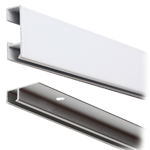
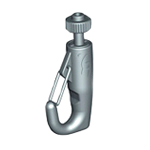
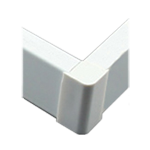
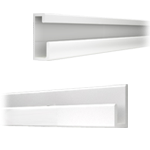
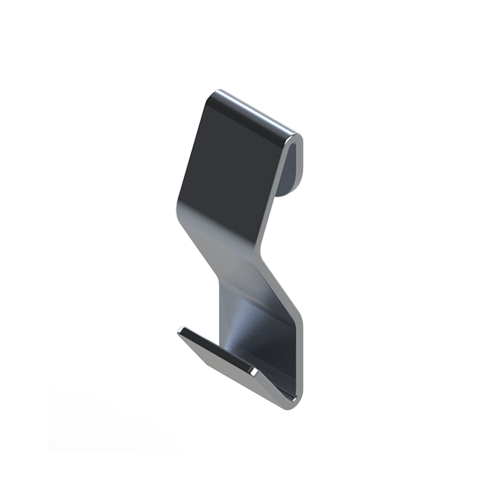
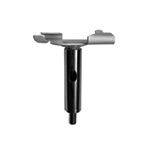
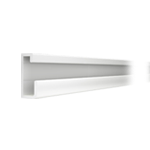
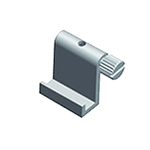
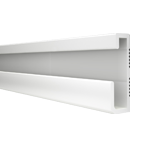
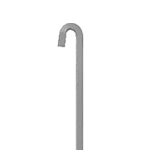
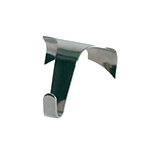
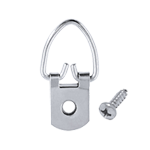
Picture rails are quite self-explanatory. They are ideal for artwork that is meant to be mounted on the wall. Instead of nailing holes into your walls or even the ceiling, using picture rails is an elegant alternative. They can be particularly good for older homes as their style can actually imitate that of the molding. Picture rails are also great for those who want to partake in the gallery wall trend without damaging their walls. You can use the picture rail to display multiple pictures by hanging them. One of its great advantages is that it allows you to experiment with the placement of the artwork before committing to it. Finally, it is one of the most flexible ways of hanging artwork. You can use any part of the room – anywhere from a tiny corner to the entire length of a wall. Besides choosing the right picture rail, you will also need to purchase the right kind of hooks and cables. They will have to match the size and weight of your pieces of art.Hanging cables
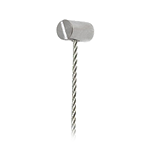
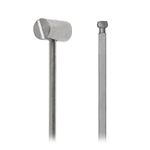
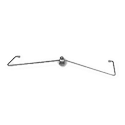
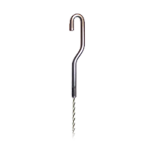
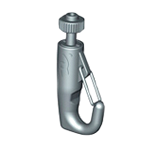
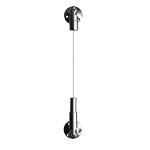
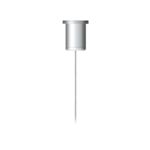
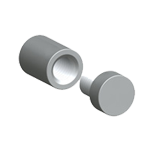
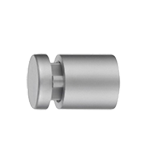
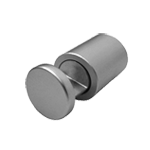
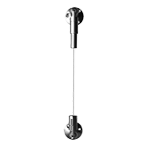
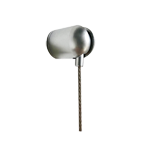
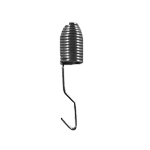
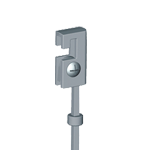
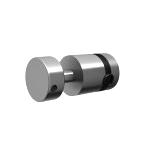
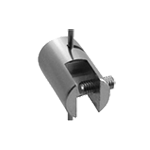
Using cables when creating your display is one of the ways of avoiding damages to your ceiling when hanging artwork. In this case, you would use a bolt to affix the art to the ceiling. It would then hang from a stainless steel or clear nylon cable. The cables usually come in different colors and lengths. This helps them fit into any décor, though they are mostly used in modern homes. Besides being safe to hang art from, hanging cables and bolts are popular because of their discreet look. They are also pretty flexible as they can work on both flat and sloped ceilings. Finally, cables are a huge favorite because of their ability to withstand large amounts of weight.Tension display sets
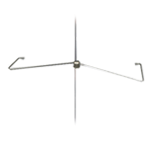
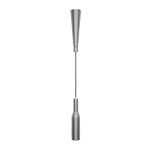
Tension display sets are not used in homes that often. However, they are a popular choice for galleries, offices, window displays, and different kinds of retail environments. Cables are also used in these sets. They are very safe and can be the key to avoiding damages to your ceiling when hanging artwork, posters, signs, or banners. Instead of hanging cables, tension display kits involve suspending stainless steel cables from ceiling to floor (as well as some other options). They come in several different forms. Your choice will depend on the environment in which they will be used as well as the size and weight of the artwork, poster, or banner.Away from the walls
While they are not necessarily tied to the walls, most of these ways of hanging art involve hanging art against the walls at the very least. In the case of hanging paintings, pictures, and posters, this is understandable. You do not really want them to be hanging in midair in the middle of the room. However, not all artwork comes in the form of a painting. One of the unique ways of making a piece of art the focal point of any room is by hanging it from the ceiling. But how do you go about avoiding damages to your ceiling when hanging artwork, especially if it is heavy? The answer is simple – by taking special care to use the appropriate hardware for the size and weight of your artwork. This is of the utmost importance since a carelessly hung piece of art is a safety hazard, not just a waste of money in damages.Steps for hanging artwork from the ceiling
Take these precautions to ensure your priceless artwork is safely attached to the ceiling:- Determine the weight of the artwork. Divide it by the number of anchors you are thinking of using to determine the suitable anchor hardware.
- Decide on the location. Use a stud finder to find the nearest studs in the ceiling. Ceilings are typically made of drywall adhering to rafters. Rafters are spaced out at an equal distance, usually 16 to 24 inches. Try to position your artwork so that you can anchor it to a ceiling rafter. This is a much safer option than attaching it to the drywall. Hanging the artwork to a wooden rafter will ensure it is secure and also avoid damaging the ceiling.
- If the piece of art you want to hang is dynamic (it moves), you will want to ensure it is attached to a rafter. The same goes for any object exceeding the weight of 25 lbs. You can safely attach lighter ones anywhere on the ceiling.
- Make sure you avoid areas with wiring or heating ducts. Your stud finder should be able to help you determine the right location.
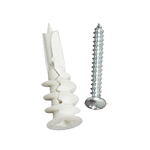
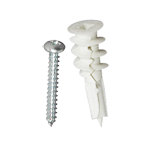
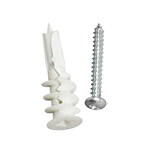
- Select the right fastener for the size and weight of your artwork. When looking at the different fastener ratings, make sure to add a 100 percent margin for safety for stationary pieces and 400 for dynamic ones. Depending on the location, you will want to choose hollow-wall fasteners or the ones made for rafters.
- Mount the fastener to the ceiling by drilling small holes, without the use of nails.
- Attach the artwork to the fastener and make sure it is completely secure. There should be no give. Use single-strand wire or cable that can withstand the weight of the artwork.