























Picture Display Rails, Cables, and Hanging Rod Systems
Choosing the right picture hanging system can transform how your artwork is displayed, whether in a home, gallery, or museum. Rails, cables, and rods are three of the most popular options, each offering unique strengths and aesthetics. In this guide, we’ll compare these systems in detail—helping you choose the best one for your space.
What Is a Picture Hanging System?
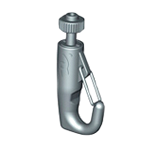
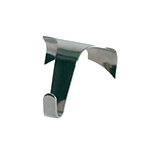
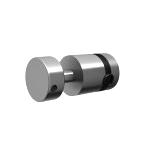
A picture hanging system typically consists of a rail (or track) installed along the wall or ceiling, combined with cables or rods and adjustable hooks.
This design:
-
Provides flexibility to move artwork without damaging walls.
-
Offers a professional, gallery-style finish.
-
Supports heavy frames securely using adjustable hardware.
Rails vs. Cables vs. Rod Displays: What’s the Difference?
Below is a side-by-side comparison of these three systems:
| Feature | Rails | Cables | Rods |
|---|---|---|---|
| Aesthetic | Minimal and modern | Discreet and sleek | Traditional, gallery-like |
| Weight Capacity | Medium to high (depends on rail) | Medium (varies by material) | Very high (ideal for heavy art) |
| Visibility | Barely visible | Nearly invisible | Visible but professional |
| Flexibility | Works with cables or rods | Highly adjustable | Highly durable, less flexible |
| Best Use | Homes, offices, galleries | Modern galleries, homes | Museums, heavy installations |
Rail Systems: The Backbone of Hanging Displays
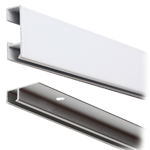
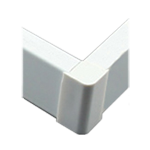
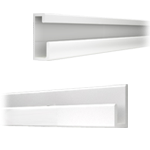
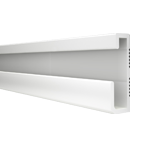
Rails are the horizontal tracks that attach to walls or ceilings.
Why choose rails?
-
Flexibility: Add or remove cables/rods as needed.
-
Durability: Systematic Art rails are made from high-grade aluminum, designed for long-term installations.
-
Minimal Wall Damage: Perfect for renters or rotating art collections.
Cable Hanging Systems: Sleek and Modern
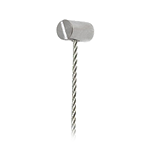
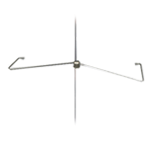
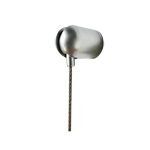
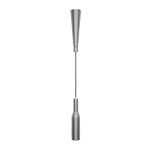
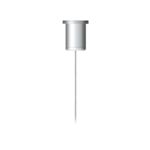
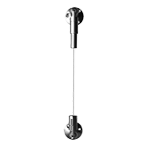
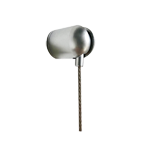
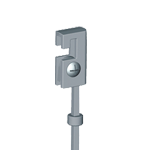
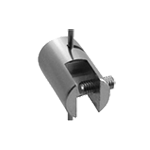
Cables are thin stainless steel wires or transparent cords that suspend from the rail.
Benefits of cables:
-
Almost invisible: Ideal for contemporary or minimalistic displays.
-
Lightweight: Great for standard-sized frames.
-
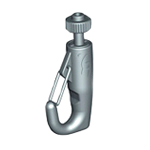
Easy adjustments: Hooks slide up or down for precise alignment.
When to use cables:
-
For modern interiors where discreet hardware is essential.
-
For frequently changed displays (art shows, seasonal décor).
Rod Display Systems: Heavy-Duty and Classic
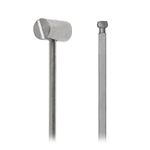
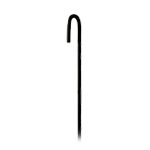
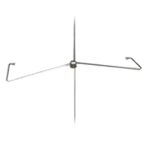
Rods are solid metal bars designed for museum-grade stability.
Advantages of rods:
-
Supports heavy artwork—perfect for large or valuable pieces.
-
Classic look: Often used in traditional galleries or historical buildings.
-
Exceptional durability: Rods don’t fray or stretch like cables can.
When to use rods:
-
For large, heavy frames or mirrors.
-
When a gallery-style aesthetic is preferred.
How to Choose the Best System for Your Space
When deciding between rails, cables, and rods, consider:
-
Weight of your artwork (rods for heavy pieces, cables for lighter art).
-
Your aesthetic preference (cables for modern, rods for classic).
-
Flexibility needs (cables are easier to adjust on the fly).
FAQs on Picture Hanging Systems
1. Can I mix cables and rods on the same rail?
Yes! Many Systematic Art rails are compatible with both, giving you flexibility.
2. Do cables or rods damage the art frame?
No. Both use hooks that hold frames securely without harm.
3. Which is more durable, cables or rods?
Rods are generally more durable for heavy-duty use, while cables are best for lightweight or midweight art.
Conclusion
Rails, cables, and rods each bring unique benefits to picture hanging systems.
-
Cables offer a modern, minimalist look.
-
Rods provide unmatched strength and a traditional gallery style.
-
Rails are the foundation that ties everything together.
Ready to create a museum-quality display?
Explore our Picture Hanging Systems for rails, cables, and rods that suit every space and style.