



















The Art Of Hanging Art Blog
-
How to Make Displays Draw in New Crowds with the Same Artifacts
Sometimes it can feel like people like the idea of museums more than they like museums. Funding is increasingly shortened, especially if your museum is publicly funded, but it's still important to keep interest high and each trip as exciting as possible. If you need to have new exhibits but don't have access to new artifacts, change your displays: 1. Plan... -
What Are Must-Have Tools to Have on Hand for Making Displays?
Making a gallery display and hanging art in your home can be very different enterprises, but they share a lot of challenges. Before you get started (and no matter where you are), make sure you have these essential tools. 1. Museum putty A good hanging system fully supports your artwork. But if it's suspended or held by one central point... -
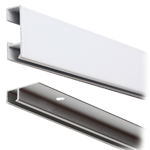
Use a Gallery Rail System to Protect Your Walls
Artwork that can hang from a single central point can adapt to almost any hanging system. Instead, if you're thinking about renovating your gallery or display with new hanging hardware, focus on your most complicated pieces. Basing your changes around the bulkiest, heaviest, and most fragile pieces mean you'll find a system that works for them all. Why does a... -
Why You Should Standardize Your Display Hardware Across Your Business Locations
Art adds personality to any commercial space, no matter what industry you work in. One of the best ways to incorporate art into your office, store, or franchise, is to bring in local art and regional culture, especially if you're growing across the country. Here's how to standardize the process for all of your properties: Use the same hardware to... -
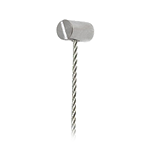
Use Cables as a Feature, Not Just a Fixture
Art displays systems often fade into the background. Both gallery designers and homeowners often look for suspension systems that are invisible, or as close as possible to invisible, in order to keep the focus on the art. But if you want to accent your art, and you don't want to fall back to ornate, bulky frames, consider a wire hanging... -
Border or No Border? How to Display Your Photos
Many display fashions focus on minimalism instead of ornate design. Not only does this make it easier to incorporate different styles of art without any clash, it also means you don't have to keep large inventories of several different hardware styles; you only need one or two. But even when you go for a classic or minimalistic design, you still... -
How to Minimize Wall Damage When Hanging Art
Whether you're creating a display in a commercial space, installing a central message board in a community center, or planning a photo wall in your home, reducing the number of holes and blemishes is a must. Here are three different ways to plan your system. Tape the frame inserts to the wall to finalize your display. An arrangement you like in... -
5 Tips for Displaying Your Art at Art Shows and Fairs
Are you planning on attending an art show or fair in order to display your art? It's important to make a good first impression. Here are a few tips to help you out. Check Out the Place Beforehand Before planning what you are going to bring and how you are going to display it, make sure to pay a visit... -
5 Mistakes to Avoid When Displaying Art
When displaying art in your museum, university, commercial building or wherever, make sure not to make these common mistakes. Art Is Too High You want your art where people can see it. You don't want it too low down, but at the same time, you do not want it to high up. If people have to crane their necks to... -
How to Hang Your Art Without Damaging It
Hanging art is half the joy of making it. But a lot of the most common procedures for display artwork causes damage. Instead of only getting to enjoy the art you make or purchase for a short amount of time, look into the best practices for securing art safely and without damage. Here are a few of the most common...